












Proposed federal standards for greenhouse gas emissions and fuel economy for heavy-duty trucks announced Oct. 25 would reduce CO2 emissions and fuel consumption 20 percent by the 2018 model year.
The U.S. Environmental Protection Agency and the National Highway Traffic Safety Administration estimate 7 percent to 20 percent fuel efficiency gains over model years beginning in 2014. At a press conference announcing the proposed standards, a senior EPA official said an owner-operator could pay for technology upgrades in a new heavy-duty truck within a year and save up to $74,000 over the truck’s useful life. Lower-mileage trucks would require longer payback periods of up to four to five years.
“Dealers support improving fuel economy for medium and heavy-duty trucks,” said Kyle Treadway, chairman of the American Truck Dealers and owner of Kenworth Sales Co. “However, today’s fuel-economy proposal for model years 2014-18 is expected to add thousands of dollars to the cost per truck. We are concerned that this could price some buyers out of the market.”
The federal agencies estimate the heavy-duty national program could provide $41 billion in net benefits to the economy over 2014-2018. A 60-day comment period begins after the proposed regulation is published in the Federal Register.

The EPA official said the new proposed standards will encourage entrepreneurs and manufacturers to develop new technology and materials to meet the fuel-efficiency targets. Lower fuel costs also will come from improvements to engines, tires, truck aerodynamics and less idling, the administrator said.
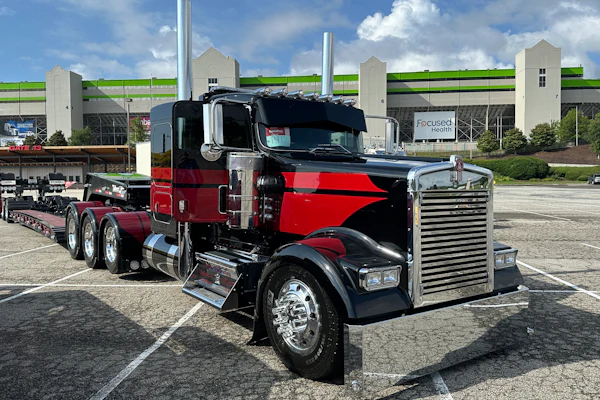
Despite those assurances, at least one truck OEM is wary of the impact of the proposed standards. At a recent American Trucking Associations meeting, Bill Kozek, general manager of Kenworth Truck Co., said truck buyers will have fewer spec’ing options. Truck makers will have to shift even more of their product line to aerodynamic styling and eliminate exterior options that produce drag, meaning the days of the long-hood conventional — at least in over-the-road applications — may be numbered, he said. “These regulations will be the death of the W900L,” Kozek said at the ATA meeting.
ATA’s board of directors backed the national fuel economy standard for trucks as a means of reducing carbon emissions as opposed to less attractive alternatives, such as mandating use of alternative fuels.
Truck and engine suppliers are concerned about several elements of the proposed federal standard. For example, several are opposed to the notion that the engine and vehicle are regulated separately and favor a total vehicle standard. Moreover, there is no credit given for engine downsizing, noted Anthony Greszler, vice president of government and industry relations for Volvo Powertrain North America.
Another flaw in the government’s approach is that it fails to take into account the fuel-saving potential from powertrain integration and automated transmissions, said Martin Daum, president of Daimler Trucks North America. “I personally would prefer a free market solution where we fight for fuel economy,” Daum said.