











With apologies to the women in the audience, it’s no news that the vast majority of working truckers are men -- here’s looking at (most of) you, readers. And if you’ve followed my fulminations here, you’ll know I’m passionate about health, about well-being, about truckers’ efforts to truly improve their lives by focusing on both.
And if there’s a single aspect of health I’m especially impassioned about, it’s the mental variety. Bear with me. I know it’s a subject difficult for many among us truckers to talk about -- we’re supposed to be strong, dare I say the most independent, self-sufficient people on the planet, right? If not for us, this country would come to a grinding halt… You know it.
When we have a problem, we saddle up and get back on the horse. We keep our issues to ourselves, keep rolling the miles.
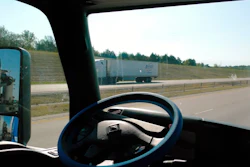
It can go on endlessly, with the toll on relationships back home mounting. Home fires begin to die. It’s easy to fall into the trap of just rolling on, playing out worst-case scenarios on our big-screen windshield like a late-night movie.
Social isolation can hit any of us unawares with huge destructive force, building stress, anxiety, even capital-D Depression. Combined with the constant push of the job, it can be a literal killer.
Suicide rates have been on the rise among workers in male-dominated trades like trucking in recent years. For veterans, the rate’s even higher at an annual 35.2 per 100,000 vets. Truckers and veterans, who already deal with increased risks of social isolation, can easily find themselves behind this eightball, particularly if yet another wrench is thrown into the gears.
I’ve been a trucker myself now for 27 years, and I’ve experienced it. Chronic pain, an illness, financial problems, bullying even -- all primary reasons we might tiptoe closer to the edge. I have spent most of my life with chronic post-traumatic stress disorder and spent several years dealing with suicidal ideation. When I was finally diagnosed at 43 years of age, I began to learn about the tools I needed to live with it, and just when I thought I had finally beaten that monster into submission, he snuck around the corner and almost ended my life.
Fortunately, I had a support system in place, and God intervened. But I had traveled well down that path of hopelessness.
[Related: We are not alone in the struggle against depression and other serious mental health risks]
We can help each other, and ourselves
You can help yourself, or your fellow trucker in need, by simply recognizing the risk. It’s not easy when we spend 95% of our time on the road alone. I can go weeks without talking to anyone other than those at the company I haul for. (Dispatchers among you reading here can be a lifeline.)
Still, truckers can be tight-knit with their fellow haulers -- pay attention to shifts in behavior, speech, or mood among those you interact with regularly.
Changes can come on quickly or more slowly -- a friend may start to self-isolate, with activities they usually enjoy no longer pursued. Increased risk-taking -- yes, as my own experience on a motorcycle in the past proved, that may well include aggressive or foolhardy driving -- could be a sign, too.
Changes in mood could range from subtle expressions of loss of control or feeling trapped to more extreme hopelessness. Personality shifts from near depression to extreme happiness or calm, detached reactions might signal something more serious.
Starker warning signs:
Giving away once-treasured personal items/property.
Extreme rage/anxiety.
Direct complaints of emotional or physical pain.
Morbid fascination with death.
Frank or not-so-frank talking about wanting to die.
Expression of just how much of a burden someone is to everyone in their life.
If someone begins to say goodbye to friends and family, sometimes precipitated by sleeping a lot less or a great deal more than usual, or big dietary changes, they’re at a critical point.
While it may be difficult for truckers to spot, you may also notice a decline in personal hygiene. (I’m not saying that truckers lack personal hygiene in general, but we all have probably been that guy who goes too long without a shower.)
Today, the World Health Organization's Suicide Prevention Day, the thing I want you to truly understand is that it is not a weakness to ask for help, or to ask on someone’s behalf. If in doubt, it is always better to share your concerns with someone who can assist in intervening.
If you know someone or are struggling yourself, you can use the suicide hotline by calling or texting 988. When you do, you'll be connected to a trained crisis counselor who will listen without judgment to your concerns, provide support, and help you explore options for resources and safety. This service operates 24/7, and is strictly confidential.
You may be the saving grace for someone truly in need.
[Related: Heart of a trucker: Chance to make a stand against child abuse]