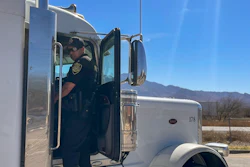












During Roadcheck 2026, Overdrive headed out to a Tennessee inspection station in Giles County on I-65 to see firsthand how troopers are hunting "chameleon carriers" and combating electronic logging device tampering, shown in prior reporting in use by such carriers.
The three-day enforcement surge had that new ELD tampering target on the radar: a sophisticated hack that relies on backend software, sometimes in concert with ELD providers themselves, to retroactively alter logs in real time.
In the video above, our interview of Tennessee Highway Patrol Lieutenant Chris Brooks makes abundantly clear that his state's inspectors have seen it happen even while the truck is actively sitting at the roadside being inspected, likewise just how difficult this kind of wholesale ELD falsification can be to otherwise detect.
To catch manipulation and freeze the evidence before a remote office wipes a violation from hundreds of miles away, troopers are learning to change roadside tactics, though many admit they're "behind the curve" on the hack.
Evidence backs that up.
Roughly half of all states, including Tennessee, issued fewer than 10 such violations, if any, in the first two months since use of the new out-of-service violation code began April 1. In the month since Overdrive first documented where tampering enforcement's happening, the 10 toughest states ranked below remain the same, if in slightly different order, according our sister Fusable data company RigDig's accounting.
Arizona and Oregon clearly have a leg up, though both declined to publicize their methods.
"As you can imagine, we cannot share our techniques," said an Oregon DOT spokesperson in this prior report. Arizona admitted their numbers don't correspond directly to individual out-of-service orders for the violations, given multiple violations possible on a single inspection report.
[Related: Arizona logs 281 ELD-cheat violations from just 115 driver inspections]
In the video, though, Tennessee Lieutenant Brooks shared that the goal for troopers is to build a paper trail out of a digital ecosystem, relying on immediate roadside photo documentation paired with high-definition bodycam footage.
The reality that lingers behind the fraud for honest owner-operators is, of course, unfair competition. Sometimes, too, another massive headache.
Brooks said chameleon fleets have been seen manufacturing fake lease agreements on the fly to spoof clean USDOT numbers, leaving above-board carriers trapped working the slow-moving DataQs system to file challenges and clear the record of wrongfully assigned violations.
[Related: Truckers' DataQs to-do: Timely, thorough filings for the win]
Brooks also emphasized that roadside inspectors and state and federal investigators are working to share information and cross-reference databases to identify common chameleon ownership and operations (ELD vendors, too) up the chain.
He offered some hope, too, that the Federal Motor Carrier Safety Administration's Motus registration system, though clearly a work in progress, succeeds in a key goal: to block bad actors from the freight ecosystem for good.