











The vendor behind a recently revoked electronic logging device shed light on the black market for hours-cheating devices -- and demand for them from from carriers.
- The vendor explained how their device had identical technology to other providers and found signs it was used for HOS cheating.
- There's apparently "huge" demand among carriers for fraudulent ELDs, some of whom call recently revoked ELD providers.
- The last batch of five revoked ELDs shared technology with 166 others that likely had the same capacity for HOS cheating.
- The Federal Motor Carrier Safety Administraion has made strides in such cases, but watchers see more that can be done.
FMCSA has been on a tear recently, removing a total of 95 devices from the ELD registry since January 2025. The latest violation data shows inspectors in new places making headway with ELD tampering out-of-service orders, too.
FMCSA typically announces each batch of ELDs removed, and Overdrive attempts to contact each vendor to get their side of the story. Not one ELD vendor has ever indicated anything remotely resembling "yes, my device may allow illegal hours of service manipulation."
Until now.
Given the proliferation of hundreds of ELD brands that all sit on top of the same base technology (a practice known as "white labeling"), one question Overdrive asks of proprietors of revoked ELDs is: Do you market other ELDs?
[Related: 'White label' ELD cheater network uncovered in NMFTA research]
After a published story stated one such ELD vendor did in fact have other registered devices available, the vendor said things took a dark turn.
"We started getting a lot of calls ... asking about illegal services," they said.
The vendor said their company hadn't personally developed the ELD software or device, but had simply purchased it from another vendor and registered it with the FMCSA "to make money." Their agreement with the originator of the software forbade them from sharing the originator's name.
"Our office basically offers dispatch services and safety services," as well as IFTA reporting and other basic services a motor carrier might need, the vendor said.
Offering an ELD thus might have seemed like a good add-on.
But after reading Overdrive articles about widespread ELD cheating, white labeling ELDs, and fleets that push their drivers to run nearly around the clock, they began to worry.
"When we bought the software we were not aware" of the device's ability to be remotely re-written, or hacked, they said, but a closer look confirmed suspicions.
"We started vetting [the carrier customers of the ELD] ... and saw suspicious activity and then started canceling subscriptions left and right," they said.
[Related: Prime Route Transport, a Super Ego chameleon fleet, accused of ELD cheating with video evidence]
Citing a dedication to safety, the vendor said the company immediately began cutting ties with any business suspected of cheating. The vendor self-revoked the ELD from FMCSA's registry and was surprised later to find themselves in an agency press release announcing removed devices.
Once the Overdrive story indicating they had other devices aired shortly after (the vendor clarified they do not in fact market other devices, and the rep answering the phone had made a mistake), people began getting in touch.
The vendor got a "huge influx of emails. I was shocked," they said, likening the market for ELDs to the drug trade. The problem isn't only that some white-labeled ELD providers market exploitable ELDs, it's also that motor carriers shop for them.
"There’s a demand for drugs," the vendor said. "That’s why there are suppliers."
[Related: FMCSA update on 'Prohibited Coercion of Drivers' amid widespread ELD cheating reports]
Yet the vendor's experience could show exploitable devices are getting shorter in supply. FMCSA Chief Derek Barrs made it a personal mission to end "self-certification" of ELDs, or the process by which the vendors simply promise their devices are compliant. In addition to revoking 95 ELDs, the agency said it's blocked hundreds of others from registering since January 2025.
Still, hundreds of such devices likely remain on the market. National Motor Freight Traffic Association Chief Operating Officer Joe Ohr told Overdrive that providers in the most recent batch of five revocations "represented 171 ELDs just in that group."
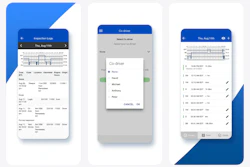
The five revoked ELDs, in other words, shared underlying software with 166 other devices, according to Ohr, and the 166 others have not yet been revoked. To Ohr's point, Overdrive viewed the revoked ELD applications and found many of them looked quite similar.
 Two recently revoked ELDs.
Ohr said he's flagged all these problems to FMCSA, and the agency is "getting much more aggressive" in taking down the faulty devices.
[Related: Arizona logs 281 ELD-cheat OOS violations from just 115 driver inspections]
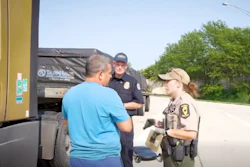
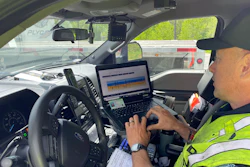
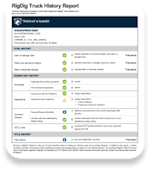
Additionally, roadside inspectors across the country, slowly but surely, are figuring out ways to catch ELD cheats in motion. Oregon and Arizona, in particular, have found some success. Below find the top 10 states by volume of ELD-tampering out-of-service violations since the new violation code hit the books in April this year, data courtesy of Overdrive sister data company RigDig's accounting.
Notably, Alabama and California seem to have figured some things out since the last accounting roughly two months ago.