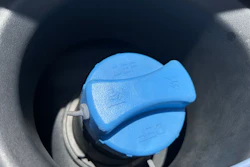












In the wake of a proposal to put an end to diesel exhaust fluid (DEF)-related engine derates and extended warranty requirements, numerous organizations from around trucking have weighed in on how they view the move from the Environmental Protection Agency.
In a notice of proposed rulemaking, officially publishing Tuesday in the Federal Register and opening for comment, the EPA proposed several changes to the looming model year 2027 NOx emissions regs for heavy-duty trucks, including:
- Ending DEF-fault derates
- Removing a requirement that OEMs extend emissions-system warranties
- Extending the timeline for OEMs to comply with new useful-life requirements
What do you think of EPA's proposal? Weigh in here. Below, see how a handful of industry organizations feel about the effort.
[Related: EPA to end DEF derates, roll back emissions warranty reg]
The Owner-Operator Independent Drivers Association said the proposal “marks a missed opportunity to adequately correct the shortcomings of the 2023 Final Rule,” according to OOIDA Director of Federal Affairs, Jay Grimes.
Namely, Grimes highlights EPA’s decision to keep the actual NOx and particulate matter reductions from the 2023 final rule in place, coupled with doing away with extended warranties.
“If EPA is unable to amend burdensome NOx emissions standards, we believe there are more productive solutions than drastically cutting extended warranty periods for small-business truckers at the behest of engine manufacturers and large fleets,” Grimes added.
He contended that the proposal instead “should ensure that truckers who purchase a new vehicle will not be constantly sidelined because of costly and repeated breakdowns that OOIDA members have historically experienced under new emissions regulations. Given these concerns, sensible warranty programs are critical for encouraging adoption of newer trucks.”
Grimes did acknowledge that the “longer testing timelines and permanent derate flexibility are helpful,” but said those factors alone “will not convince independent truckers that investing in a new vehicle is worth the financial risk.”
[Related: EPA mandate: Fleets gain equal access to OEM diagnostic tools]
The American Trucking Associations, meanwhile, applauded the cost-saving benefits of maintaining existing warranty requirements rather than extending them, among other provisions of the proposal.
“ATA has been clear from day one: new environmental standards must be achievable, affordable, and reliable. If a truck cannot perform safely and efficiently on America’s highways, then the freight does not move, shelves do not get stocked, and our economy pays the price,” said ATA President and CEO Chris Spear. “Administrator Zeldin and the Trump Administration heard us loud and clear. We appreciate EPA taking our concerns seriously and acting to provide commonsense flexibility for the manufacturers, fleets, and 8.4 million hardworking men and women who keep this country moving.”
The primary reason EPA decided to remove the extended warranty requirements was related to increased costs of new equipment they could produce. The Truck and Engine Manufacturers Association (TEMA), representing OEMs, noted that it was still reviewing the full proposal but said it welcomed EPA’s “continued engagement on cost-effective and achievable requirements for manufacturers, trucking fleets, and equipment operators.”
[Related: EPA 2027 diesel emissions regs: Class 8 truck price hikes in the offing]
TEMA added that it believes it’s “critical” for EPA moving forward “that the rule be finalized by the end of the year to provide manufacturers with the regulatory certainty necessary for compliance planning, go-to-market strategies, and product availability. That includes ensuring that regulatory mechanisms maintain the proven progress achieved through selective catalytic reduction (SCR) systems, while also reducing unnecessary vehicle or equipment downtime and avoiding operational impacts tied to regulatory inducements.”
On the other side of the argument, clean transportation nonprofit Calstart was critical of EPA’s move, saying the proposal “could create uncertainty for truck and engine manufacturers already working to deliver reliable, compliant vehicles in a globally competitive market, while also risking increased pollution in communities near freight corridors.”
[Related: Detroit engines getting DEF-derate update]
Calstart CEO Michael Berube commended EPA for keeping the emissions reductions of the original rule in place but said the changes outlined in the proposal “risk introducing confusion and additional market uncertainty for the heavy-duty truck and engine manufacturers and the fleets that depend on reliable vehicle operation. Weakening the durability, warranty, and inducement provisions that support real-world performance could jeopardize long-term emissions reductions, increase danger to public health, and undermine confidence in the technologies needed to deliver cleaner freight today.”
The group called on EPA to reconsider the changes “and work collaboratively with key stakeholders to resolve the underlying concerns that led to this proposal.”
NATSO and SIGMA, representing truck stops and fuel marketers, respectively, released a joint statement questioning EPA’s proposal since previous guidance already addressed DEF-related derates.
The groups said those guidance documents, once fully implemented, “can resolve consumer concerns surrounding diesel exhaust fluid and the operational reliability of DEF-related equipment,” adding that time is needed for the market to fully see the benefits -- “fewer false warnings and unnecessary repairs, and fewer situations where a functioning truck is unnecessarily taken out of service.”
“Allowing ample time for existing Guidance to penetrate the market will minimize unnecessary and punitive deratements for diesel vehicles while ensuring that Selective Catalytic Reduction technology remains an essential part of every truck manufacturer’s investment and compliance strategy,” said David Fialkov, head of government affairs for NATSO and SIGMA.
The groups added that they believe the proposal “will invite consumer confusion and threatens to decrease DEF’s availability and increase its price.”
[Related: More emissions equipment: How Detroit's new engines cut NOx by 80%]