











The EPA proposed eliminating diesel exhaust fluid (DEF) derates and rolling back warranty requirements for 2027 model year engines.
- DEF derate replacement: Drivers receive audible or visible alerts instead of speed reductions, allowing normal engine operation until repair
- Warranty rollback: Extended warranty requirements eliminated with useful-life extensions retained but delayed
- Emissions standards maintained: Core 2027 NOx reduction (80% below current) and particulate matter limits (50% reduction) remain unchanged
- 45-day comment period follows Federal Register publication before EPA finalizes the proposed changes
The Environmental Protection Agency on Thursday unveiled a proposal that, while leaving in place the actual emissions limits mandated in a 2023 final rule for model year 2027 engines, could put a permanent end to derates resulting from diesel exhaust fluid issues (DEF).
While that sounds like a move owner-operators might favor, EPA's announced proposal went in another direction, too, rolling back prior regulatory requirements for emissions-system warranties placed on truck makers.
EPA’s notice of proposed rulemaking, not yet published in the Federal Register, would apply to on-highway trucks, off-road engines and farm machinery.
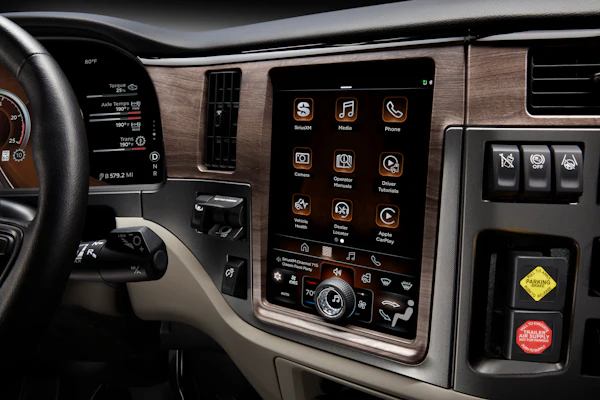
On the derate front, instead of the vehicle gradually reducing power output and shutting down, the rule proposes that the driver or machine operator would receive an audible or visible alert of a DEF-related issue.
The engine, meantime, would operate normally until a repair can be made. Those changes would apply to newly manufactured highway engines and vehicles and nonroad applications, EPA said.
The EPA's last guidance about in-use engines' derate schedules has been adopted in recent times by an increasing number of major engine makers, now including Cummins, Paccar and Detroit. The agency added in its recent announcement that it will consider new "derate guidance for in-use highway and nonroad diesel engines and vehicles regarding ongoing compliance with” regulations that exist for prior years, including “whether such guidance might provide recommendations for engine manufacturers to get approval to modify in-use engines, consistent with any provisions the EPA adopts in this rulemaking, without violating prohibitions against tampering and defeat devices.”
As noted, EPA already called on OEMs to end 5-mph derates, with several manufacturers announcing software updates to increase truck speeds during derates.
[Related: EPA looks to permanently end diesel derates due to DEF, aftertreatment problems]
EPA Administrator Lee Zeldin said the changes could save truck and machine operators $12 billion annually if approved, including savings of $6,000 for every new truck purchased and increased productivity by eliminating the derates.
“Americans depend on reliable trucks to move essential goods across the country. If finalized, these changes will help manufacturers keep improving their vehicles without being forced to rush products to market before they’re ready,” Zeldin said. “Combined with the Trump EPA’s first proposed deregulatory action to address ongoing DEF problems, this will ease real burdens for operators. The Trump EPA is committed to making trucking safe and reliable again while protecting human health and the environment.”
Kelly Loeffler, Administrator of the U.S. Small Business Administration, added that "today’s proposed rule is about locking in long-term reform and delivering a diesel framework that lowers costs, restores equipment reliability, and puts the hardest working Americans first."
The foundation of the 2023 final rule, tightening of NOx emissions to a limit level 80%-plus below the current standard and reducing particulate matter limit by 50%, will remain untouched under EPA’s proposal.
The agency said “most engine manufacturers are on track to meet the MY 2027 standards,” adding that “there was substantial work required to meet these standards, including implementing new technologies and demonstrating compliance with new test procedures.”
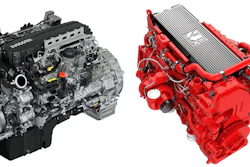
[Related: First up-close look at the new Cummins X15, with EPA 2027 aftertreatment]
One of the biggest drivers of increased estimated costs in the EPA ’27 regs was the requirement for OEMs to extend warranties to 450,000 miles from 100,000 and useful-life limits to 650,000 miles from 435,000 miles for emissions equipment. OEMs claimed those requirements passed upwards of $20,000 in added cost to truck buyers.
Instead, EPA is proposing to retain warranty requirements for MY 2026 and earlier engines.
Additionally, the 2027 rule lengthened the useful-life periods for all heavy-duty engine regulatory classes, requiring OEMs to demonstrate that emission controls are durable over the longer periods, with manufacturers made responsible for ensuring their engines meet the standards in-use during those periods.
EPA proposes to delay the longer periods to apply beginning in MY 2030, which “is intended to mitigate manufacturer concerns regarding compliance uncertainties for the extended period over which manufacturers have limited data."
The agency hopes to "provide manufacturers with additional lead time to refine emission control systems before the engines are subject to the longer regulatory useful life,” EPA said.
In its updated ruleset, EPA proposed expanding the availability and flexibility of the credit system manufacturers use to meet regulatory averages, and permitting manufacturers to pay non-conformance penalties as a short-term alternative if they cannot immediately meet the hardware standards.
Once the proposal is published in the Federal Register, it will open to a 45-day comment period, after which EPA must consider comments filed before potentially finalizing the changes. --Jason Cannon contributed to this report.
[Related: More emissions equipment: How Detroit's new engines cut NOx by 80%]