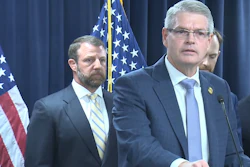












Department of Transportation Secretary Sean Duffy called out electronic logging device cheaters during the recent announcement of ways the department is teaming up with Homeland Security and state prosecutors to punish more fraudsters.
But first, he again dismissed the idea of a driver shortage.
After the press conference, where he announced the closure of 270 CDL schools for passing non-English speakers and lacking basic requirements, Duffy immediately got the mainstream press's favorite question: How will this impact goods getting delivered in America?
"That's a great question," said Duffy. "So, you're saying if I take off the illegal truck drivers who weren't trained, do we have enough drivers to get in big rigs and deliver product around the country? And the answer to that is yes, we do."
He would then pivot to safety and economic fairness issues Overdrive readers have long raised about non-citizen and non-English speaking CDL holders.
Though the press conference had been mostly about CDL schools, motor carriers that hire non-English speaking drivers and DMV employees who perpetrate fraud, the registry of approved ELDs has the same problem as the Training Provider Registry: Self-certification.
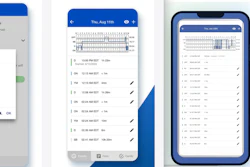
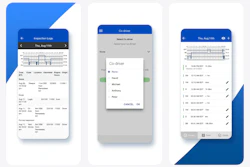
Overdrive reporting has uncovered evidence of two individual fleets using hacked ELDs that allow overseas dispatchers' offices to add more drive time to the clock. Industry researchers acknowledge this is a big problem, making up as much as 70% of the registered ELDs in the U.S. market.
Inspection and violation data further illustrate the problem. More than 300 different carriers' drivers have been hit with the new OOS violation code for such remote ELD tampering since it was added in April, with numbers current through roughly mid-July in Overdrive sister data company RigDig's accounting.
[Related: 'White label' ELD cheater network uncovered in NMFTA research]
The Federal Motor Carrier Safety Administration regularly revokes non-compliant ELDs, and Overdrive reporting confirmed many of those ELDs enable back-end HOS manipulation.
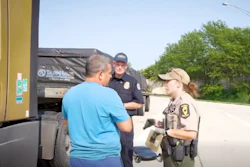
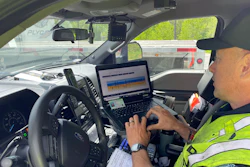
Furthermore, Overdrive has tracked how roadside inspectors have a hard time catching this new breed of ELD cheat. Despite some successes in Arizona and Oregon, as of Roadcheck in May, many states were simply "behind the curve." By August, some jurisdictions were getting better, judging by this most recent accounting of tampering violations, again with RigDig.
Duffy laid out economic impacts of widespread ELD cheating this way:
"One of the issues we've had is because we have these fraudsters who have come in and will work way more than they're allowed to in their hours of service. They're driving rates down. I have multiple generations of truck driving companies, small truck driving companies. They might have 20, 30 rigs. They're going out of business because they can't compete with the fraudster. They can't compete with the illegals."
So-called "strong solo" drivers hauling what might otherwise be legal team loads beyond HOS limits, he suggested, puts big downward pressure on rates, and huge impacts on expectations all around trucking, too.
"So, no, we're not going to have a problem" moving freight in America, said Duffy, in at least his third refutation of the truck driver shortage narrative. "We're going to have enough truck drivers."
Duffy ended the press conference with a warning, referencing the newly formed "Joint Task Force Crossroads of America" of DOT, DHS, and state prosecutors:
"I should make one other point with regard to companies -- companies who are hiring drivers who don't speak English or didn't go to a well-qualified school: Watch out. We're going to come and look at you as well. Don't hire people who can't speak English, can't read English, or you're all going to be subject to this task force."
In May, FMCSA published new guidance on what drivers can do if coerced into violating regulations as the agency moves against ELD fraud. The agency advised drivers coerced to run over HOS limits to document the case and submit complaints to its National Consumer Complaint Database reporting system.